The Best Pickleball Drills for Beginners
Improve your pickleball game fast with these beginner drills. Covers dinking, serving, third shots, wall drills, partner drills, and solo practice.
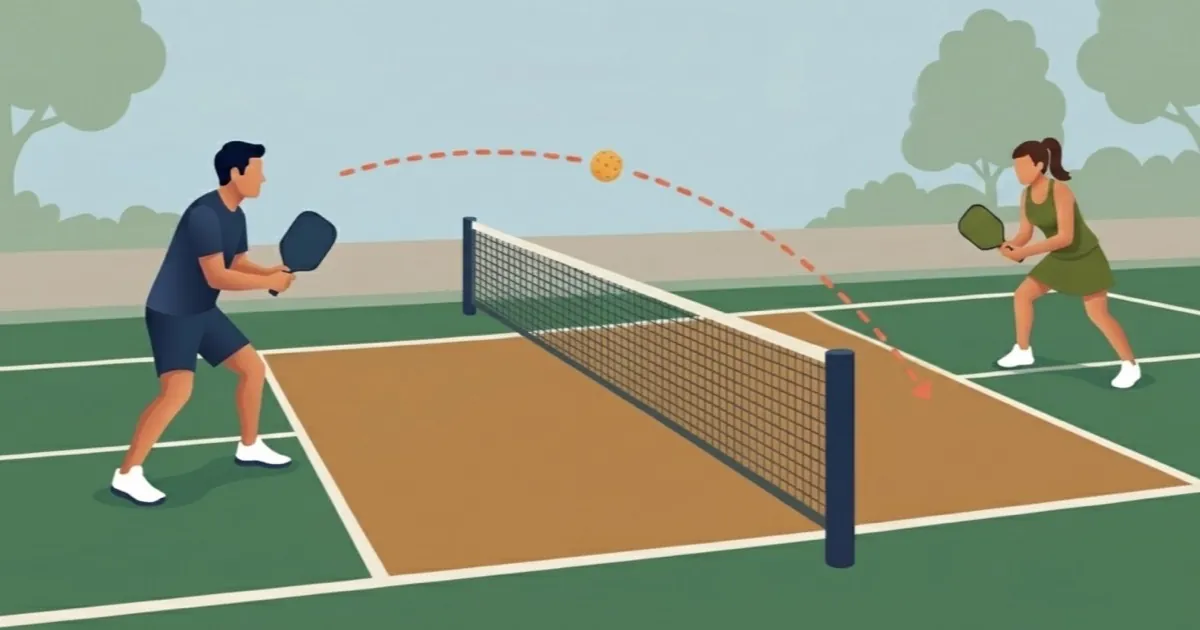
Playing games is fun, but deliberate practice is how you actually get better at pickleball. The right drills build muscle memory, improve consistency, and give you confidence in shots that feel awkward at first. Whether you have a partner, a wall, or just a paddle and some balls, there are drills that will sharpen your game.
This guide covers the best drills for beginners organized by skill area. If you are still learning the basics of the game, check out our beginner’s guide to pickleball first.
Warm-Up Drills
Never skip your warm-up. These drills get your body moving and your paddle hand calibrated before you start practicing harder shots.
Mini Rally
Stand with a partner about 10 feet apart, each of you near the kitchen line. Rally the ball back and forth using soft, controlled shots. Focus on keeping the ball low over the net and landing it at your partner’s feet. Do this for 3 to 5 minutes before moving on to other drills.
Paddle Taps
Hold your paddle flat and bounce the ball up and down on the paddle face. Try to keep the ball below eye level. Once you are comfortable, alternate between the forehand and backhand sides of the paddle. This drill builds hand-eye coordination and paddle control. Aim for 50 consecutive taps without dropping the ball.
Cross-Court Dink Warm-Up
Stand at the kitchen line diagonally across from your partner. Dink the ball back and forth cross-court, aiming to land each shot in the kitchen. This warm-up is functional because cross-court dinks are one of the most common shots in actual games.
Dinking Drills
The dink is arguably the most important shot in pickleball. It is a soft shot hit from near the kitchen line that arcs just over the net and lands in your opponent’s kitchen. Mastering the dink gives you control of the net and forces errors from your opponents.
Straight-Ahead Dink Rally
Stand at the kitchen line directly across from a partner. Dink the ball back and forth, keeping it low and landing it in the kitchen. Count how many consecutive dinks you can make without an error. Set targets:
- Beginner goal: 20 in a row
- Intermediate goal: 50 in a row
- Advanced goal: 100 in a row
Focus on bending your knees rather than bending at the waist. Use a gentle lifting motion with your legs and a soft paddle face to guide the ball over the net.
Cross-Court Dink Rally
Same as above, but stand diagonally from your partner. Cross-court dinks travel a longer path and clear the lowest part of the net (the center), making them a higher-percentage shot in games. Practice this pattern frequently.
Figure-Eight Dinking
With two players at the kitchen line, alternate between straight-ahead dinks and cross-court dinks in a figure-eight pattern. This drill trains you to change direction quickly and control placement under mild pressure.
Solo Dink Against the Wall
Find a wall with a flat surface and mark a line at net height (34 inches). Stand about 7 feet back and dink the ball against the wall, keeping it below the line. This is an excellent solo drill that builds touch and consistency without needing a partner.
Serving Drills
A consistent serve keeps you in control from the start of every rally. These drills build accuracy and reliability.
Target Practice
Place targets (cones, towels, or water bottles) in three areas of the service court: deep center, deep left corner, and deep right corner. Serve 10 balls at each target and track your accuracy. A good beginner goal is hitting 5 out of 10 near each target.
10-in-a-Row
The simplest and most effective serving drill. Serve the ball into the correct service court and count consecutive successful serves. If you miss, start over. Your goal is to hit 10 in a row. Once that feels easy, add targets or serve to alternating sides.
Deep Serve Drill
Place a rope, towel, or line of balls about 3 feet inside the baseline on the opposite side. Practice serving past that line. Deep serves push your opponent back and give you more time to prepare for the return. Track how many out of 20 serves land in the deep zone.
Third Shot Drills
The third shot is the shot after the serve and return. It is typically the serving team’s most important shot because they need to transition from the baseline to the net. The two main options are the third shot drop and the third shot drive.
Third Shot Drop Practice
Have a partner stand at the kitchen line and feed you balls from there. Stand at the baseline and practice hitting soft drops that land in the kitchen. The goal is a shot that arcs gently over the net and lands softly, making it difficult for the net player to attack.
Start by just getting the ball into the kitchen. Once you can do that consistently, focus on:
- Keeping the apex of the ball’s arc on your side of the net
- Landing the ball within a few feet of the net
- Using a lifting motion with your legs rather than swinging hard with your arm
Third Shot Drive Practice
Using the same setup, practice driving the ball hard and low at your partner’s feet. A good third shot drive should be fast, low over the net, and aimed at your opponent’s body or feet. Alternate between drops and drives to develop the ability to mix up your third shot.
Wall Drills for Solo Practice
A wall is one of the best practice partners you will ever find. It always returns the ball, never cancels, and does not care how many times you hit it.
Volley Rally
Stand about 8 feet from a wall and volley the ball back and forth. Keep the ball below shoulder height and focus on a compact punch motion with minimal backswing. Count consecutive volleys and try to beat your record.
Groundstroke Rally
Stand 15 to 20 feet from the wall and hit groundstrokes, letting the ball bounce once before each hit. Practice forehands and backhands separately, then alternate. Focus on consistent contact and keeping the ball at a height that simulates going over a net.
Reaction Drill
Stand 6 feet from the wall and hit the ball firmly. The ball will come back fast, forcing you to react quickly. This drill improves your reflexes and hand speed, both of which are essential during fast exchanges at the kitchen line.
Partner Drills
If you have a regular practice partner, these drills simulate real game situations.
Skinny Singles
Play singles using only half the court (one service box on each side). This forces you to hit with precision since you have less space to work with. It is also a great workout since you cover less ground laterally but hit more balls per rally.
Feed and Attack
One player stands at the kitchen line and feeds soft balls to the other player at the baseline. The baseline player practices approaching the net by hitting a drop shot, then moving forward. The net player then engages in a dink rally. Reset and repeat.
This drill trains the most common transition pattern in pickleball: starting at the baseline, hitting a drop, and working your way to the net.
2-on-1 Drill
Two players stand at the kitchen line on one side, and one player stands at the baseline on the other side. The two net players dink and direct shots to the baseline player, who practices hitting drops and working forward. This drill is challenging for the solo player and builds stamina, shot selection, and transition skills.
Creating a Practice Routine
Consistency matters more than intensity. Here is a sample 30-minute practice session:
- Warm-up (5 minutes) - Mini rallies and paddle taps
- Dinking drills (8 minutes) - Straight-ahead, cross-court, and figure-eight dinks
- Serving drills (5 minutes) - Target practice and 10-in-a-row
- Third shot practice (7 minutes) - Alternate between drops and drives
- Game simulation (5 minutes) - Skinny singles or feed-and-attack drill
Practice two to three times per week and you will notice improvement within a few weeks. Track your numbers (consecutive dinks, serve accuracy, etc.) so you can measure your progress over time.
Take Your Practice Further with Coach Pickle
Knowing which drills to do is only half the battle. The other half is knowing whether you are doing them correctly and when to progress to harder variations. Coach Pickle’s AI coaches can build personalized practice plans based on your skill level, track your improvement, and recommend new drills as you advance. It is like having a coaching session every time you pick up your paddle.
Once you’ve outgrown the warm-up basics above, the Coach Pickle drill library takes the next step: 58 coach-authored drills organized by DUPR skill level (2.5 to 5.0+), with step-by-step mechanics, drill-flow targets, and an intro voice-over from the coach you picked. It’s the natural next stop when “do some dinking drills” stops being specific enough.
Want Personalized Coaching?
Coach Pickle gives you an AI pickleball coach in your pocket. Get strategy advice, drills, and mental game coaching tailored to your skill level.